
Bioinputs Technical Mission Strengthens Cooperation Between Brazil and South Africa
South African delegation visited Brazilian companies and research centers and learned about public policies during a program in São Paulo and the Federal District Renera – Brazilian Bioinputs Hub, an initiative of CLB (CropLife Brasil) in partnership with ApexBrasil (Brazilian Trade and Investment Promotion Agency), took part in the South African Technical Mission on Agricultural […]
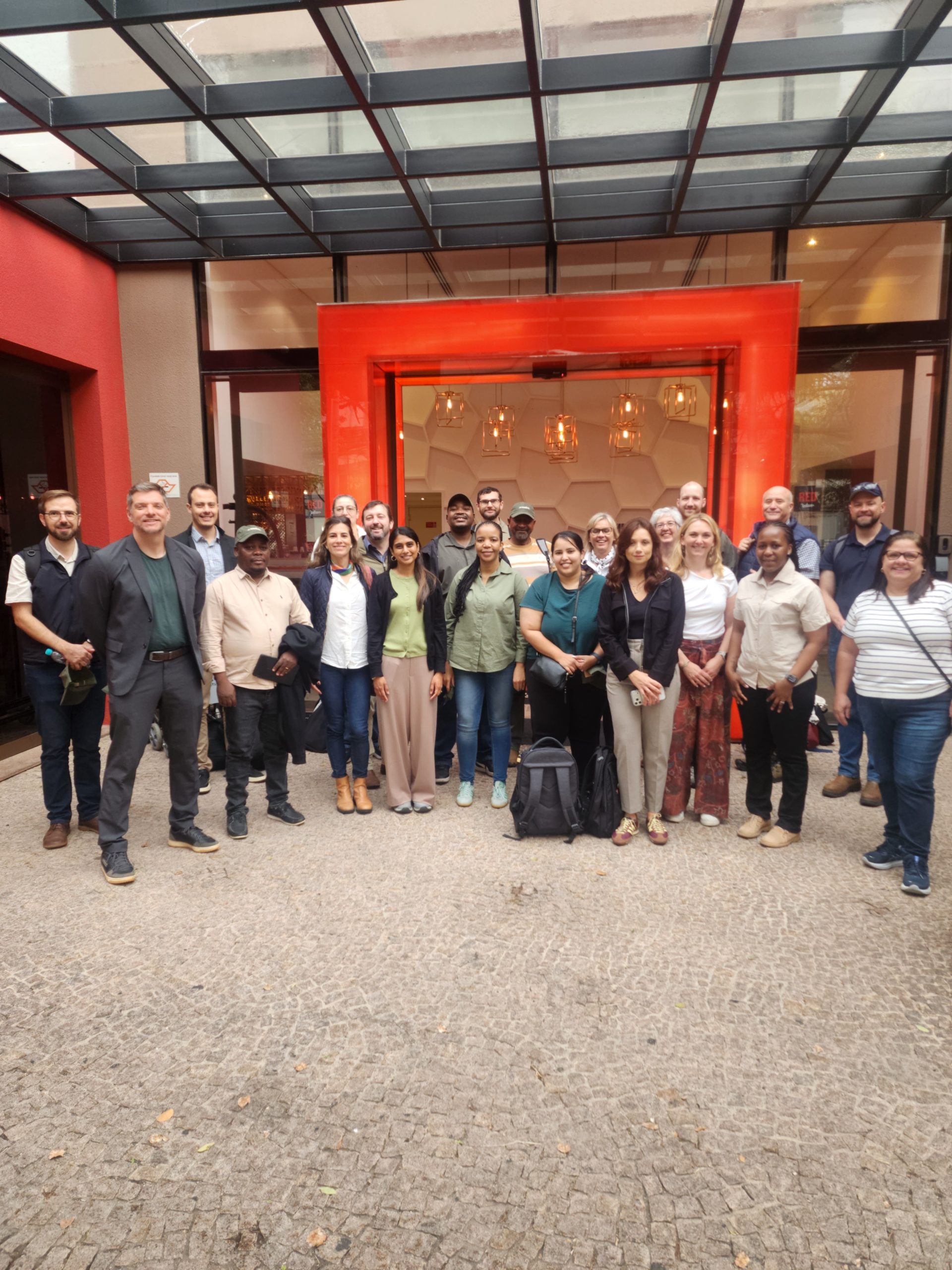
South African delegation visited Brazilian companies and research centers and learned about public policies during a program in São Paulo and the Federal District
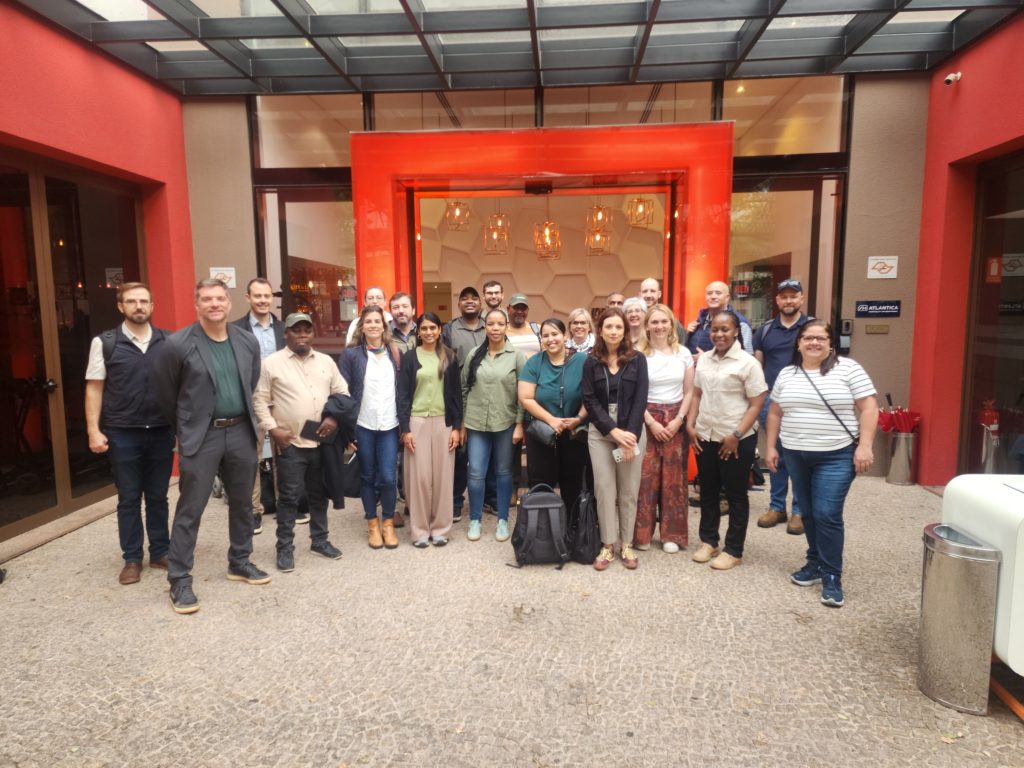
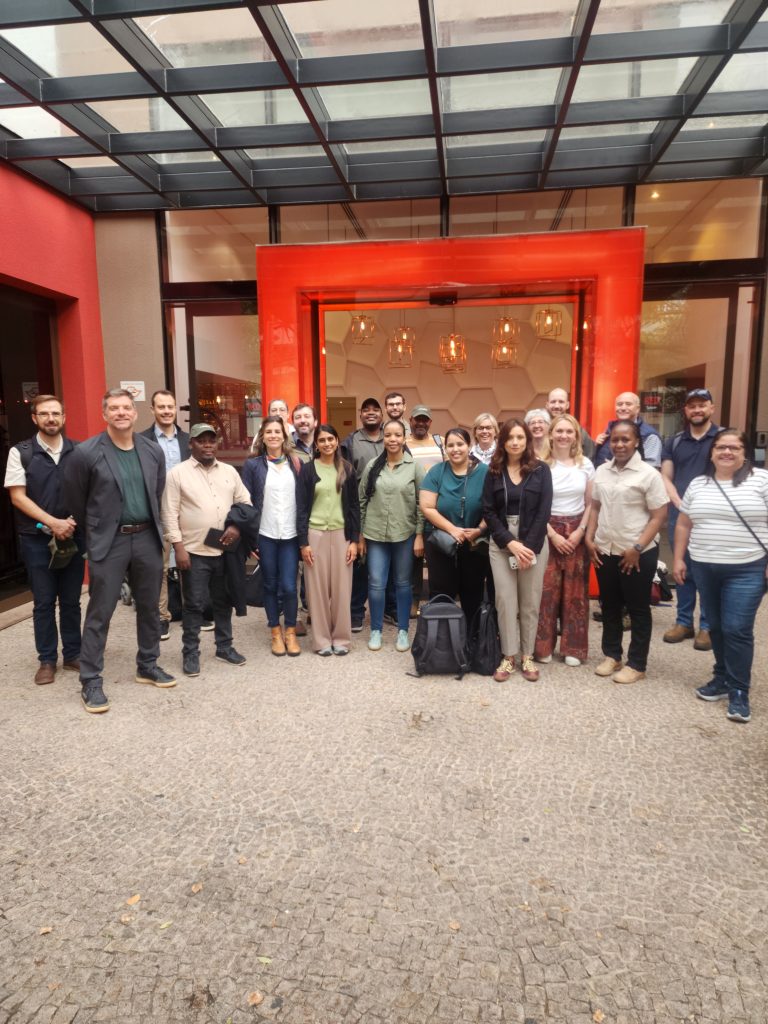
Renera – Brazilian Bioinputs Hub, an initiative of CLB (CropLife Brasil) in partnership with ApexBrasil (Brazilian Trade and Investment Promotion Agency), took part in the South African Technical Mission on Agricultural Bioinputs, held from September 21 to 25 in São Paulo and the Federal District. The program brought together South African government representatives, companies, and experts for an immersion in Brazil’s bioinputs ecosystem.
Over five days, the delegation explored different stages of the innovation and adoption chain for these technologies in Brazil, including scientific research, industrial development and production, field applications, public policies, and the regulatory environment. The mission also created opportunities to discuss technical and scientific cooperation, closer ties between the productive sectors, and business opportunities between the two countries.
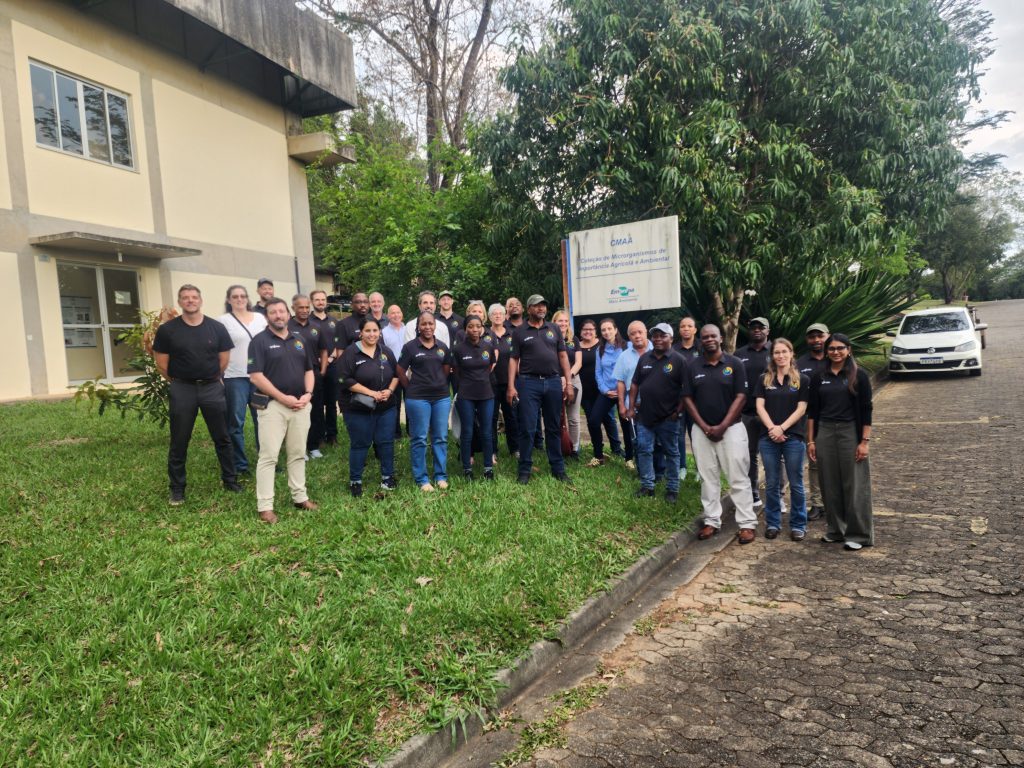
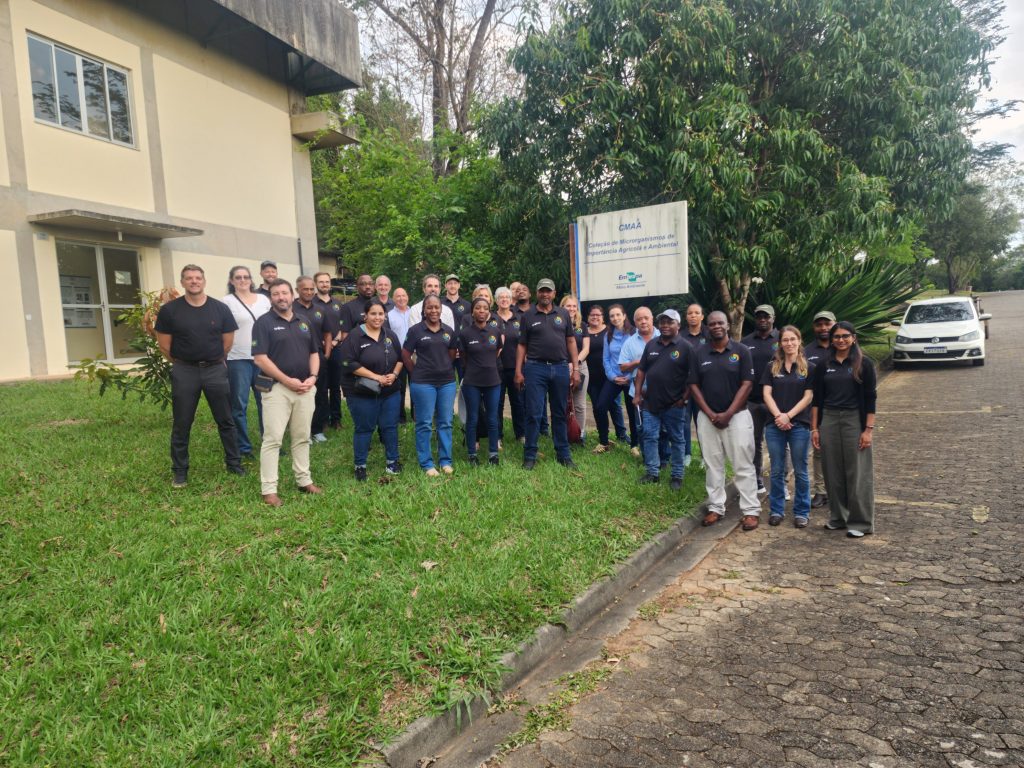
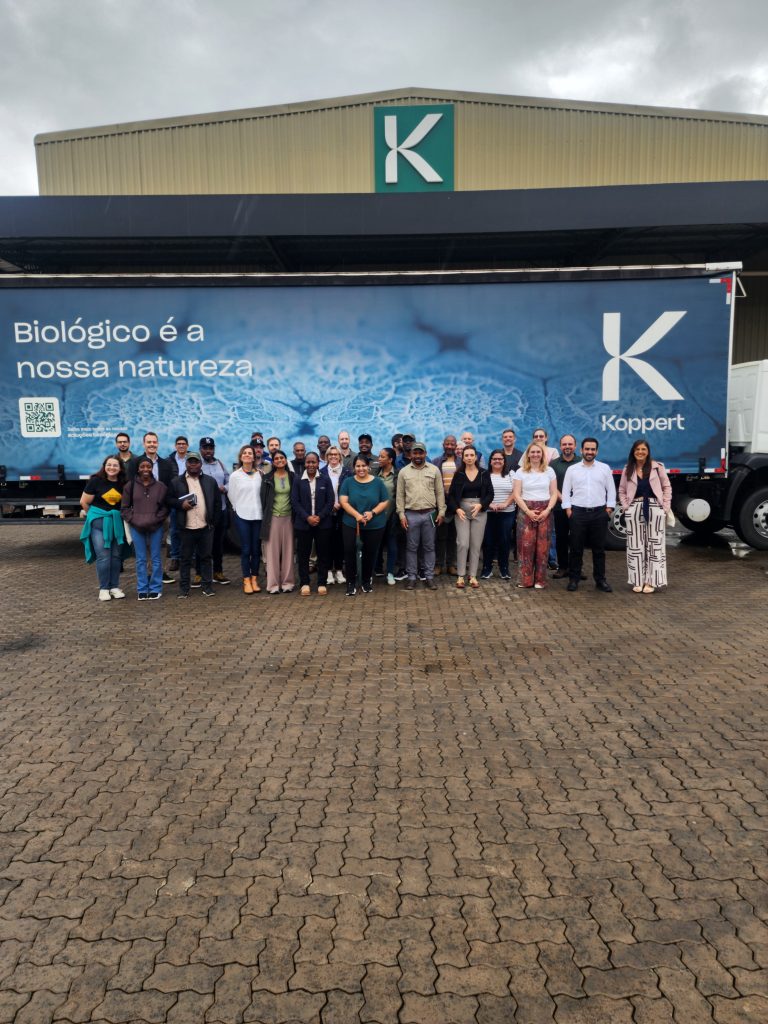
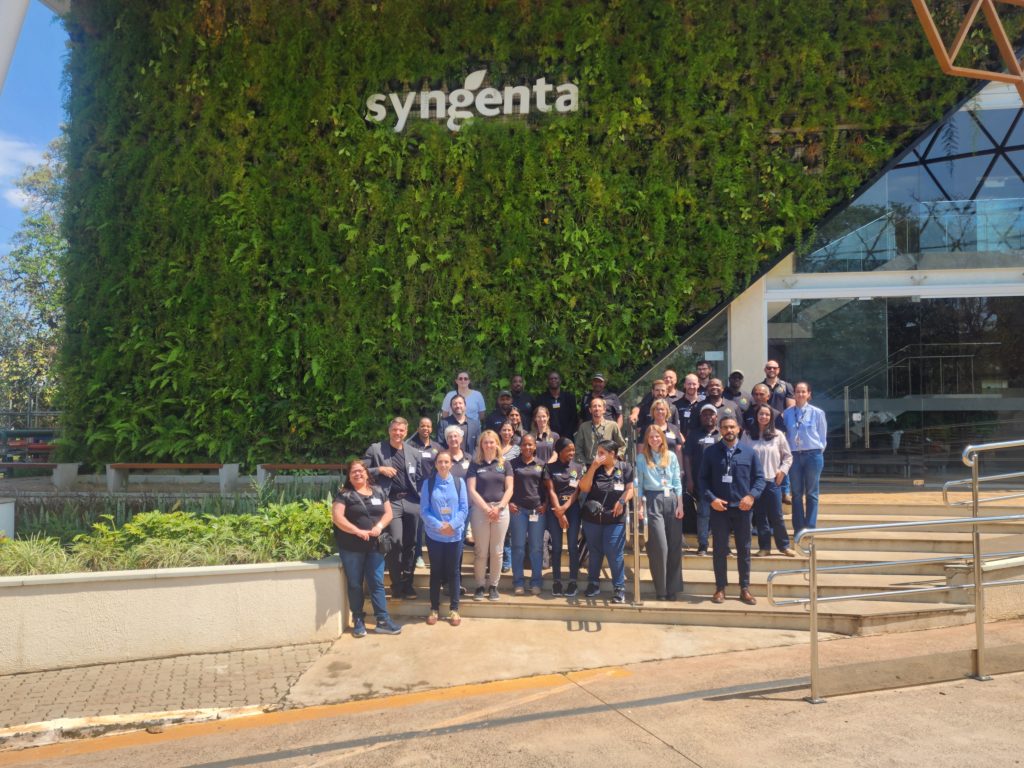
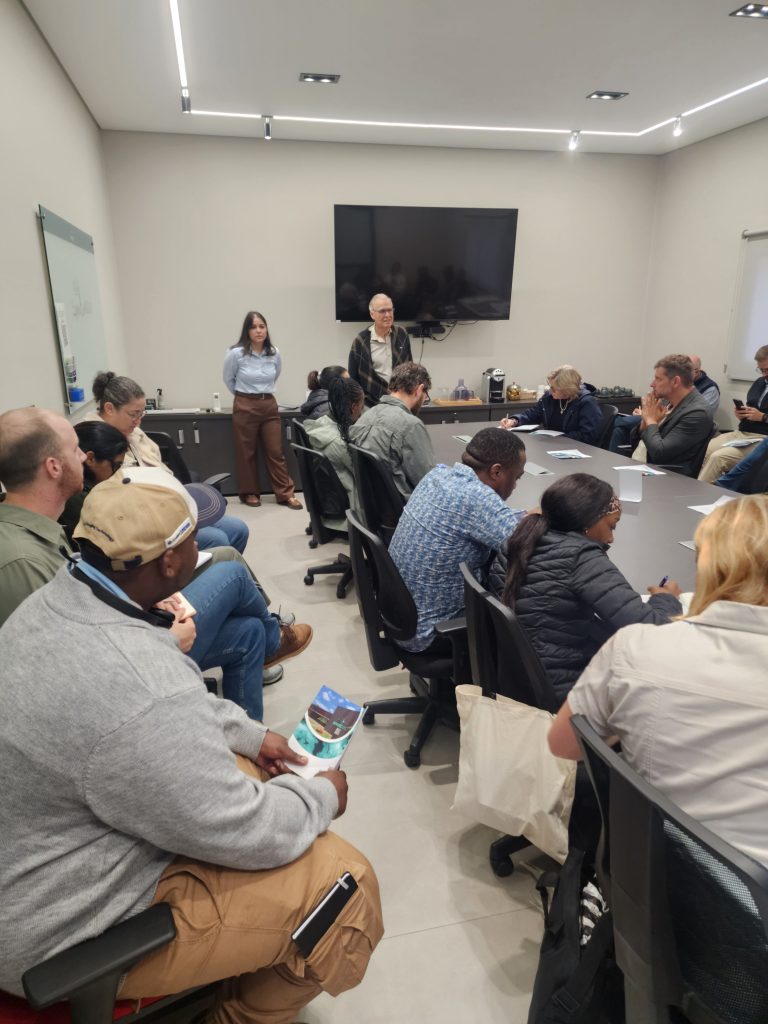
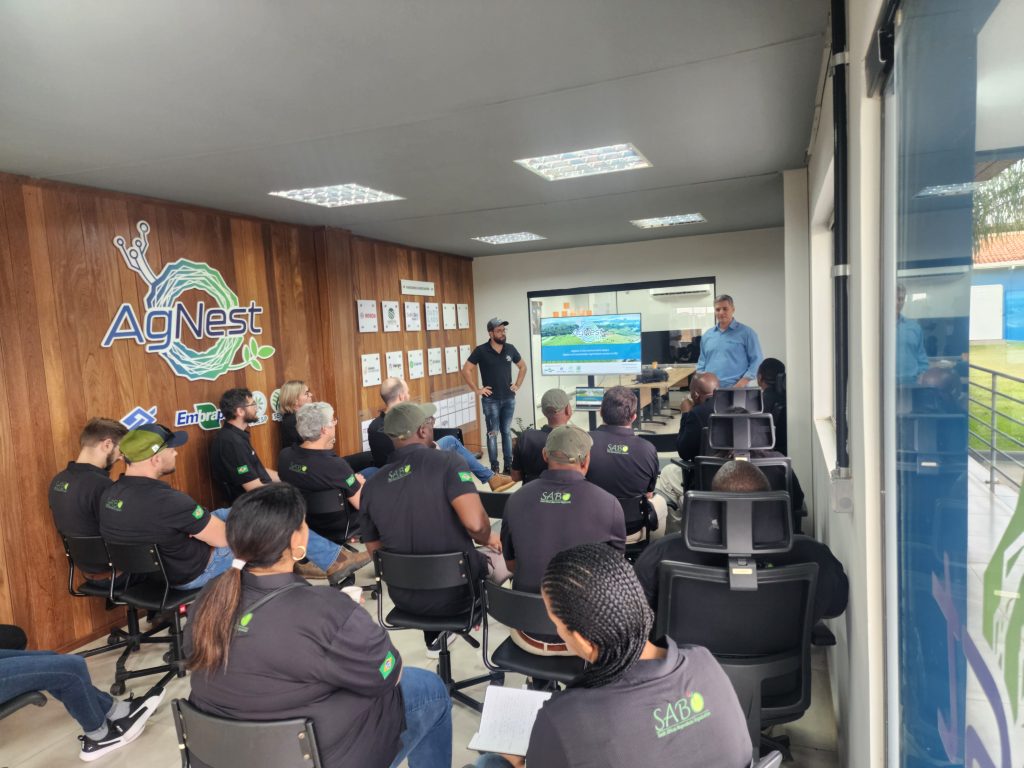
In São Paulo, the program included visits to Koppert and Syngenta facilities, as well as meetings at Embrapa Environment and SPARCBio. These activities gave participants a firsthand look at the research, technologies, and production models that help explain the growth of bioinputs in Brazilian agriculture.
The Brasília stage was coordinated by the Ministry of Agriculture and Livestock (MAPA), through its Secretariat for Trade and International Relations (SCRI), as part of the technical cooperation between Brazil and South Africa. On September 24, representatives of both countries took part in a program at the Ministry’s headquarters dedicated to public policies and Brazil’s institutional environment for bioinputs.
During the program, Renera and CropLife Brasil presented the delegation with the experience of Brazil’s private sector and initiatives aimed at promoting bioinputs internationally. The agenda also brought together representatives of organizations such as ABINBIO and ABBI for a dialogue on experiences, projects, and prospects for developing the sector.
“This exchange of information with the South African delegation was fundamental to strengthening institutional and commercial ties and demonstrating, in practice, the scientific and technological capacity Brazil has developed in the field of bioinputs. The mission also made it possible to identify concrete areas of convergence for an agenda of technical and scientific cooperation, regulatory dialogue, and expanded trade relations between the two countries,” says Renata Meliga, manager of the Renera project.
Institutional Cooperation
According to Carlos Müller, General Coordinator for Investment and Cooperation at MAPA’s Secretariat for Trade and International Relations (SCRI/MAPA), closer ties between the two countries could create new opportunities for the sector.
“This exchange is important for identifying complementarities between the two countries, creating conditions for new institutional and business partnerships, and advancing a cooperation agenda that may, in the future, facilitate investment, expand trade, and encourage joint bioinputs projects,” said the coordinator.
Brazilian Science in the Spotlight
At Embrapa Environment, the delegation learned about several research fronts related to bioinputs development, from prospecting for microorganisms to transforming them into solutions applicable to agriculture. Examples included research on microorganisms adapted to extreme conditions, such as those found in the Caatinga biome, with the potential to increase plants’ tolerance to water stress and contribute to more resilient production systems. The work presented by Itamar Soares de Melo showed how Brazil’s biodiversity can provide a foundation for developing new biological solutions for crop protection and adaptation to adverse climate conditions.
For Robson Barizon, Deputy Head of Research and Development at Embrapa Environment, the mission was an opportunity to show the South African delegation the breadth of the unit’s work and its connection to agricultural challenges. “We had a unique opportunity to discuss Embrapa Environment’s experience with bioinputs, from basic science to their application in commercial products available on the market,” he says.
Companies Present Experiences and Technologies
During visits to Koppert do Brasil and Syngenta, the delegation learned about different strategies for developing, producing, and adopting biological solutions, as well as initiatives to integrate these technologies into production systems. The meetings also created opportunities to exchange experiences on biological control, seeds, innovation, and possibilities for technological and commercial cooperation between Brazil and South Africa.
By bringing together companies, research centers, and government representatives, the mission created a forum for dialogue on the different dimensions of the bioinputs sector—from science and innovation to the regulatory environment, field adoption, and the development of new cooperation and market opportunities between the two countries.